
Freesia is a genus of herbaceous perennial flowering crops in the family Iridaceae, first referred to as a genus in 1866 by Chr. Fr. Echlon (1795-1868) and known as after German botanist and doctor Friedrich Freese (1794-1878). It really is local to the eastern area of southern Africa, from Kenya south to South Africa, most types being within Cape Provinces. Species of the ex - genus Anomatheca are now included in Freesia. The vegetation commonly known as "freesias", with fragrant funnel-shaped blossoms, are cultivated hybrids of lots of Freesia types. Some other species are also grown as ornamental plant life.
They can be herbaceous crops which expand from a conical corm 1-2.5 cm diameter, which sends up a tuft of narrow leaves 10-30 cm long, and a sparsely branched stem 10-40 cm tall bearing a few leaves and a loose one-sided spike of blooms with six tepals. Many varieties have fragrant narrowly funnel-shaped plants, although those formerly positioned in the genus Anomatheca, such as F. laxa, have level flowers. Freesias are used as food vegetation by the larvae of some Lepidoptera varieties including Large Yellow Underwing.
CULTIVATION AND USES
The plants usually called "freesias" are derived from crosses manufactured in the 19th century between F. refracta and F. leichtlinii. Numerous cultivars have been bred from these varieties and the green- and yellow-flowered kinds of F. corymbosa. Modern tetraploid cultivars have plants ranging from white to yellow, green, red and blue-mauve. They are simply mostly cultivated professionally in holland by about 80 growers.[3] Freesias can be readily increased from seed. Because of their specific and desirable scent, they are generally used in side ointments, shampoos, candles, etc.[citation needed], however, the bouquets are mainly utilized in wedding bouquets. They could be planted in the street to redemption in USDA Hardiness Zones 9-10 (i.e. where in fact the temperature will not fall season below about -7 ?C (20 ?F)), and in the spring and coil in Areas 4-8.
Freesia laxa (previously called Lapeirousia laxa or Anomatheca cruenta) is one of the other species of the genus which is commonly cultivated. Smaller than the scented freesia cultivars, it offers flat somewhat than cup-shaped blossoms. Extensive 'forcing' of this bulb occurs in two Moon Bay in California where several growers chill the bulbs in proprietary methods to satisfy frosty dormancy which results in formation of buds in a predicted amount of weeks - often 5 weeks at 55 ?F (13 ?C).
Herbaceous vegetation (in botanical use frequently simply herbs) are crops which may have no continual woody stem above earth. Herbaceous plant life may be annuals, biennials or perennials. Annual herbaceous plants expire completely at the end of the growing season or when they have flowered and fruited, plus they then expand again from seed. Herbaceous perennial and biennial plants may have stems that die at the end of the growing season, but elements of the plant endure under or near the ground from season to season (for biennials, before next growing season, when they flower and die). New expansion evolves from living tissue remaining on or under the ground, including root base, a caudex (a thickened part of the stem at ground level) or various types of underground stems, such as bulbs, corms, stolons, rhizomes and tubers. Types of herbaceous biennials include carrot, parsnip and common ragwort; herbaceous perennials include potato, peony, hosta, mint, most ferns and most grasses. By contrast, non-herbaceous perennial plants are woody vegetation which have stems above floor that continue to be alive through the dormant season and develop shoots the next calendar year from the above-ground parts - included in these are trees, shrubs and vines.
Bronnley England Freesia for Women Eau De Toilette Spray 1.6 Oz / 50

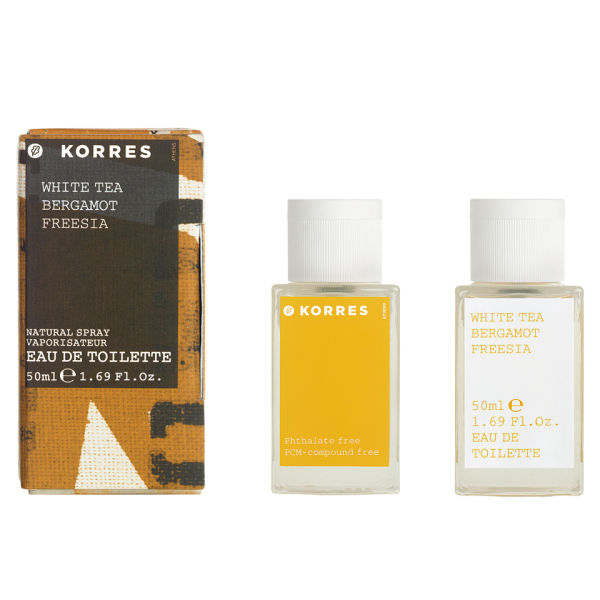
Korres White Tea Bergamot Freesia Eau de Toilette 50ml BeautyExpert
Taylor of London Freesia Eau de Toilette Spray

Korres White Tea Bergamot Freesia Eau de Toilette 50ml Perfume

Home » VANILLA / FREESIA / LYCHEE Eau de toilette for women 1,69Fl

Freesia is a genus of herbaceous perennial flowering crops in the family Iridaceae, first described as a genus in 1866 by Chr. Fr. Echlon (1795-1868) and called after German botanist and doctor Friedrich Freese (1794-1878). It is local to the eastern aspect of southern Africa, from Kenya south to South Africa, most species being found in Cape Provinces. Varieties of the ex - genus Anomatheca are actually contained in Freesia. The vegetation often called "freesias", with fragrant funnel-shaped flowers, are cultivated hybrids of lots of Freesia species. Some other varieties are also expanded as ornamental vegetation.
They may be herbaceous plant life which grow from a conical corm 1-2.5 cm diameter, which sends up a tuft of narrow leaves 10-30 cm long, and a sparsely branched stem 10-40 cm large bearing a few leaves and a loose one-sided spike of flowers with six tepals. Many species have fragrant narrowly funnel-shaped plants, although those previously put in the genus Anomatheca, such as F. laxa, have level flowers. Freesias are being used as food vegetation by the larvae of some Lepidoptera species including Large Yellow Underwing.
CULTIVATION AND USES
The plants usually called "freesias" derive from crosses made in the 19th hundred years between F. refracta and F. leichtlinii. Numerous cultivars have been bred from these types and the green- and yellow-flowered varieties of F. corymbosa. Modern tetraploid cultivars have bouquets which range from white to yellowish, red, red and blue-mauve. They are mostly cultivated professionally in the Netherlands by about 80 growers.[3] Freesias can be readily increased from seed. Because of their specific and desirable scent, they are often used in palm creams, shampoos, candles, etc.[citation needed], however, the plants are mainly utilized in wedding bouquets. They can be planted in the fall season in USDA Hardiness Areas 9-10 (i.e. where in fact the temperature does not fall season below about -7 ?C (20 ?F)), and in the springtime in Zones 4-8.
Freesia laxa (formerly called Lapeirousia laxa or Anomatheca cruenta) is one of the other species of the genus which is often cultivated. Smaller than the scented freesia cultivars, they have flat somewhat than cup-shaped blooms. Extensive 'forcing' of this bulb occurs in two Moon Bay in California where several growers chill the light bulbs in proprietary methods to satisfy wintry dormancy which results in formation of buds within the predicted range of weeks - often 5 weeks at 55 ?F (13 ?C).
Herbaceous plants (in botanical use frequently simply herbal remedies) are vegetation which have no continual woody stem above surface. Herbaceous crops may be annuals, biennials or perennials. Annual herbaceous plants pass away completely at the end of the growing season or when they may have flowered and fruited, and they then develop again from seed. Herbaceous perennial and biennial plants may have stems that die at the end of the growing season, but elements of the plant make it through under or near to the bottom from season to season (for biennials, before next growing season, when they rose and perish). New expansion grows from living tissues left over on or under the ground, including roots, a caudex (a thickened part of the stem at walk out) or numerous kinds of underground stems, such as light bulbs, corms, stolons, rhizomes and tubers. Examples of herbaceous biennials include carrot, parsnip and common ragwort; herbaceous perennials include potato, peony, hosta, mint, most ferns & most grasses. By contrast, non-herbaceous perennial vegetation are woody vegetation which have stems above earth that stay alive through the dormant season and increase shoots another calendar year from the above-ground parts - included in these are trees and shrubs, shrubs and vines.
Freesias Gardening: Floral Arrangements Pinterest

Wedding 7th June 2013 at Bartle Hall, Bartle. The Ashton FlowerShop

Soft yellow new freesia selection

.com features Spa set: Freesia Body Lotion, PearFreesia

Home SPRING BLOOMS Mixed Double Freesia

Freesia is a genus of herbaceous perennial flowering crops in the family Iridaceae, first described as a genus in 1866 by Chr. Fr. Echlon (1795-1868) and named after German botanist and doctor Friedrich Freese (1794-1878). It is native to the eastern part of southern Africa, from Kenya south to South Africa, most types being within Cape Provinces. Kinds of the former genus Anomatheca are actually included in Freesia. The plants commonly known as "freesias", with fragrant funnel-shaped flowers, are cultivated hybrids of lots of Freesia species. Some other varieties are also harvested as ornamental vegetation.
These are herbaceous vegetation which grow from a conical corm 1-2.5 cm diameter, which sends up a tuft of thin leaves 10-30 cm long, and a sparsely branched stem 10-40 cm extra tall bearing a few leaves and a loose one-sided spike of plants with six tepals. Many varieties have fragrant narrowly funnel-shaped blossoms, although those formerly put in the genus Anomatheca, such as F. laxa, have toned flowers. Freesias are used as food plant life by the larvae of some Lepidoptera varieties including Large Yellowish Underwing.
CULTIVATION AND USES
The crops usually called "freesias" are derived from crosses manufactured in the 19th hundred years between F. refracta and F. leichtlinii. Numerous cultivars have been bred from these varieties and the green- and yellow-flowered types of F. corymbosa. Modern tetraploid cultivars have plants ranging from white to yellowish, green, red and blue-mauve. They are really mostly cultivated expertly in holland by about 80 growers.[3] Freesias can be commonly increased from seed. Because of the specific and attractive scent, they are often used in hand creams, shampoos, candles, etc.[citation needed], however, the blossoms are mainly utilized in wedding bouquets. They could be planted in the fall season in USDA Hardiness Zones 9-10 (i.e. where in fact the temperature does not fall season below about -7 ?C (20 ?F)), and in the springtime in Areas 4-8.
Freesia laxa (formerly called Lapeirousia laxa or Anomatheca cruenta) is one of the other types of the genus which is commonly cultivated. Smaller than the scented freesia cultivars, it offers flat somewhat than cup-shaped plants. Extensive 'forcing' of the bulb occurs in Half Moon Bay in California where several growers chill the bulbs in proprietary solutions to satisfy chilly dormancy which results in creation of buds in just a predicted quantity of weeks - often 5 weeks at 55 ?F (13 ?C).
Herbaceous plant life (in botanical use frequently simply natural remedies) are crops that contain no prolonged woody stem above earth. Herbaceous vegetation may be annuals, biennials or perennials. Total annual herbaceous plants perish completely at the end of the growing season or when they have flowered and fruited, and they then develop again from seed. Herbaceous perennial and biennial plant life may have stems that die by the end of the growing season, but parts of the plant survive under or close to the bottom from season to season (for biennials, until the next growing season, when they bloom and perish). New growth grows from living tissue left over on or under the ground, including origins, a caudex (a thickened part of the stem at walk out) or numerous kinds of underground stems, such as bulbs, corms, stolons, rhizomes and tubers. Types of herbaceous biennials include carrot, parsnip and common ragwort; herbaceous perennials include potato, peony, hosta, mint, most ferns and most grasses. In comparison, non-herbaceous perennial plants are woody plant life which have stems above earth that stay alive during the dormant season and grow shoots the next calendar year from the above-ground parts - included in these are trees and shrubs, shrubs and vines.
Coudray 12117999906 Musc amp; Freesia Eau De Toilette Spray 100Ml3.3Oz

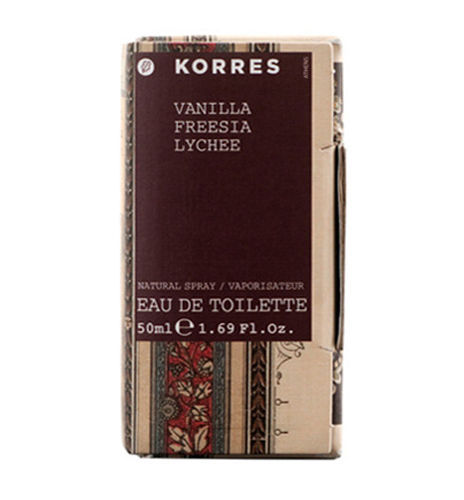
KORRESVanillaFreesiaLycheeEaudeToiletteFragrancePerfumefor

KORRES Vanilla Freesia Lychee Eau de Toilette Fragrance Perfume
COACH Poppy Freesia Blossom 1 oz Eau de Toilette Spray Fragrance for

Home Perfume Korres White Tea Bergamot Freesia Eau de Toilette 50ml

Freesia is a genus of herbaceous perennial flowering plants in the family Iridaceae, first described as a genus in 1866 by Chr. Fr. Echlon (1795-1868) and known as after German botanist and doctor Friedrich Freese (1794-1878). It is local to the eastern side of southern Africa, from Kenya south to South Africa, most kinds being found in Cape Provinces. Types of the previous genus Anomatheca are actually included in Freesia. The vegetation often called "freesias", with fragrant funnel-shaped blooms, are cultivated hybrids of a number of Freesia types. Some other kinds are also grown as ornamental plants.
They are herbaceous plants which grow from a conical corm 1-2.5 cm size, which delivers up a tuft of narrow leaves 10-30 cm long, and a sparsely branched stem 10-40 cm high bearing a few leaves and a loose one-sided spike of blossoms with six tepals. Many varieties have fragrant narrowly funnel-shaped bouquets, although those previously positioned in the genus Anomatheca, such as F. laxa, have chiseled flowers. Freesias are being used as food plant life by the larvae of some Lepidoptera varieties including Large Yellow Underwing.
CULTIVATION AND USES
The plant life usually called "freesias" derive from crosses made in the 19th century between F. refracta and F. leichtlinii. Numerous cultivars have been bred from these species and the green- and yellow-flowered varieties of F. corymbosa. Modern tetraploid cultivars have blossoms which range from white to yellow, red, red and blue-mauve. They are mostly cultivated expertly in holland by about 80 growers.[3] Freesias can be immediately increased from seed. Because of the specific and attractive scent, they are often used in hand products, shampoos, candles, etc.[citation needed], however, the plants are mainly used in wedding bouquets. They can be planted in the fall season in USDA Hardiness Areas 9-10 (i.e. where in fact the temperature will not fall season below about -7 ?C (20 ?F)), and in the springtime in Zones 4-8.
Freesia laxa (previously called Lapeirousia laxa or Anomatheca cruenta) is one of the other types of the genus which is commonly cultivated. Smaller than the scented freesia cultivars, it offers flat somewhat than cup-shaped plants. Extensive 'forcing' of this bulb occurs in two Moon Bay in California where several growers chill the bulbs in proprietary methods to satisfy cool dormancy which results in formation of buds within a predicted amount of weeks - often 5 weeks at 55 ?F (13 ?C).
Herbaceous vegetation (in botanical use frequently simply herbs) are crops that contain no prolonged woody stem above surface. Herbaceous plants may be annuals, biennials or perennials. Total annual herbaceous plants expire completely by the end of the growing season or when they may have flowered and fruited, plus they then expand again from seed. Herbaceous perennial and biennial plant life may have stems that die by the end of the growing season, but elements of the plant make it through under or near to the ground from season to season (for biennials, before next growing season, when they flower and perish). New expansion builds up from living tissues left over on or under the ground, including root base, a caudex (a thickened portion of the stem at ground level) or various types of underground stems, such as light bulbs, corms, stolons, rhizomes and tubers. Types of herbaceous biennials include carrot, parsnip and common ragwort; herbaceous perennials include potato, peony, hosta, mint, most ferns & most grasses. By contrast, non-herbaceous perennial vegetation are woody vegetation which have stems above surface that continue to be alive through the dormant season and develop shoots the next yr from the above-ground parts - included in these are trees and shrubs, shrubs and vines.
freesias, planting freesia, how to grow freesia, how to grow freesias

Freesia laxa 39;Joan Evans39; × Freesia laxa subsp. azurea, Mari Kitama

How To Grow Freesias – Growing Freesia Plants And Freesia Flower

Freesia Double White Freesia Lacteal Corms Fragrant White Freesias

Home Categories Summer Flowering Bulbs Freesia 39;Blue Heaven39; Corms

Freesia is a genus of herbaceous perennial flowering plant life in the family Iridaceae, first described as a genus in 1866 by Chr. Fr. Echlon (1795-1868) and called after German botanist and doctor Friedrich Freese (1794-1878). It really is indigenous to the eastern area of southern Africa, from Kenya south to South Africa, most kinds being found in Cape Provinces. Varieties of the previous genus Anomatheca are actually contained in Freesia. The vegetation commonly known as "freesias", with fragrant funnel-shaped blossoms, are cultivated hybrids of lots of Freesia varieties. Some other varieties are also expanded as ornamental crops.
They are herbaceous plants which increase from a conical corm 1-2.5 cm size, which sends up a tuft of small leaves 10-30 cm long, and a sparsely branched stem 10-40 cm high bearing a few leaves and a loose one-sided spike of blossoms with six tepals. Many kinds have fragrant narrowly funnel-shaped flowers, although those formerly placed in the genus Anomatheca, such as F. laxa, have chiseled flowers. Freesias are used as food plants by the larvae of some Lepidoptera varieties including Large Yellowish Underwing.
CULTIVATION AND USES
The crops usually called "freesias" are derived from crosses made in the 19th hundred years between F. refracta and F. leichtlinii. Numerous cultivars have been bred from these kinds and the pink- and yellow-flowered forms of F. corymbosa. Modern tetraploid cultivars have plants ranging from white to yellowish, pink, red and blue-mauve. They are mostly cultivated skillfully in holland by about 80 growers.[3] Freesias can be conveniently increased from seed. Because of the specific and desirable scent, they are generally used in hands lotions, shampoos, candles, etc.[citation needed], however, the bouquets are mainly utilized in wedding bouquets. They could be planted in the semester in USDA Hardiness Zones 9-10 (i.e. where the temperature does not fall below about -7 ?C (20 ?F)), and in the springtime in Areas 4-8.
Freesia laxa (formerly called Lapeirousia laxa or Anomatheca cruenta) is one of the other varieties of the genus which is often cultivated. Smaller than the scented freesia cultivars, it includes flat rather than cup-shaped flowers. Extensive 'forcing' of this bulb occurs in two Moon Bay in California where several growers chill the lights in proprietary solutions to satisfy cold dormancy which results in formation of buds in a predicted amount of weeks - often 5 weeks at 55 ?F (13 ?C).
Herbaceous crops (in botanical use frequently simply natural remedies) are vegetation which may have no consistent woody stem above ground. Herbaceous vegetation may be annuals, biennials or perennials. Annual herbaceous plants pass away completely by the end of the growing season or when they may have flowered and fruited, and they then grow again from seed. Herbaceous perennial and biennial vegetation may have stems that pass away by the end of the growing season, but parts of the plant make it through under or near to the bottom from season to season (for biennials, until the next growing season, when they rose and pass away). New progress produces from living tissues left over on or under the ground, including root base, a caudex (a thickened part of the stem at walk out) or numerous kinds of underground stems, such as bulbs, corms, stolons, rhizomes and tubers. Types of herbaceous biennials include carrot, parsnip and common ragwort; herbaceous perennials include potato, peony, hosta, mint, most ferns and most grasses. In comparison, non-herbaceous perennial plant life are woody plant life that have stems above ground that stay alive during the dormant season and develop shoots the next 12 months from the above-ground parts - these include trees and shrubs, shrubs and vines.
Decoration Artificial silk flower Freesia. Illusion flowers is a

amp; Freesia Silk Flower Cake Topper Cake Toppers Cake Decoration

Decoration Artificial silk flower Freesia. Illusion flowers is a

Pics Photos Roses Freesia Flowers Bouquet Decoration Close Up Hd

bonsai beautiful 9 branches common freesia silk flowers home decor

Freesia is a genus of herbaceous perennial flowering plants in the family Iridaceae, first described as a genus in 1866 by Chr. Fr. Echlon (1795-1868) and named after German botanist and doctor Friedrich Freese (1794-1878). It is local to the eastern aspect of southern Africa, from Kenya south to South Africa, most types being found in Cape Provinces. Kinds of the previous genus Anomatheca are now contained in Freesia. The plant life often called "freesias", with fragrant funnel-shaped blooms, are cultivated hybrids of lots of Freesia types. Some other varieties are also grown up as ornamental plant life.
They are simply herbaceous vegetation which expand from a conical corm 1-2.5 cm diameter, which sends up a tuft of slim leaves 10-30 cm long, and a sparsely branched stem 10-40 cm large bearing a few leaves and a loose one-sided spike of plants with six tepals. Many types have fragrant narrowly funnel-shaped bouquets, although those formerly placed in the genus Anomatheca, such as F. laxa, have smooth flowers. Freesias are used as food crops by the larvae of some Lepidoptera kinds including Large Yellow Underwing.
CULTIVATION AND USES
The plant life usually called "freesias" derive from crosses manufactured in the 19th century between F. refracta and F. leichtlinii. Numerous cultivars have been bred from these species and the green- and yellow-flowered varieties of F. corymbosa. Modern tetraploid cultivars have blooms which range from white to yellow, green, red and blue-mauve. They may be mostly cultivated expertly in holland by about 80 growers.[3] Freesias can be quickly increased from seed. Because of the specific and pleasing scent, they are often used in hands products, shampoos, candles, etc.[citation needed], however, the blooms are mainly used in wedding bouquets. They can be planted in the fall in USDA Hardiness Areas 9-10 (i.e. where in fact the temperature will not land below about -7 ?C (20 ?F)), and in the spring in Areas 4-8.
Freesia laxa (formerly called Lapeirousia laxa or Anomatheca cruenta) is one of the other types of the genus which is often cultivated. Smaller than the scented freesia cultivars, it includes flat somewhat than cup-shaped bouquets. Extensive 'forcing' of the bulb occurs in two Moon Bay in California where several growers chill the light bulbs in proprietary solutions to satisfy frigid dormancy which results in creation of buds inside a predicted number of weeks - often 5 weeks at 55 ?F (13 ?C).
Herbaceous vegetation (in botanical use frequently simply natural herbs) are plants that have no continual woody stem above ground. Herbaceous vegetation may be annuals, biennials or perennials. Total annual herbaceous plants expire completely by the end of the growing season or when they may have flowered and fruited, plus they then grow again from seed. Herbaceous perennial and biennial crops may have stems that die by the end of the growing season, but elements of the plant endure under or near the bottom from season to season (for biennials, until the next growing season, when they bloom and die). New expansion grows from living tissues left over on or under the bottom, including origins, a caudex (a thickened portion of the stem at ground level) or numerous kinds of underground stems, such as light bulbs, corms, stolons, rhizomes and tubers. Examples of herbaceous biennials include carrot, parsnip and common ragwort; herbaceous perennials include potato, peony, hosta, mint, most ferns and most grasses. In comparison, non-herbaceous perennial plant life are woody vegetation that have stems above floor that remain alive during the dormant season and develop shoots another time from the above-ground parts - these include trees and shrubs, shrubs and vines.
Elizabeth Williams Sweet Pea amp; Freesia Diffuser 100 ml Departments

Buy Elizabeth Williams Sweet Pea amp; Freesia Diffuser 100 ml online

Home › Reed diffusers › English Pear and Freesia reed diffuser

Laura Ashley Sweet Pea and Freesia Diffuser Sticks

Details about Freesia Home Fragrance Luxury Perfume Room Reed Diffuser

Freesia is a genus of herbaceous perennial flowering vegetation in the family Iridaceae, first described as a genus in 1866 by Chr. Fr. Echlon (1795-1868) and known as after German botanist and doctor Friedrich Freese (1794-1878). It really is indigenous to the eastern part of southern Africa, from Kenya south to South Africa, most kinds being within Cape Provinces. Varieties of the ex - genus Anomatheca are now included in Freesia. The vegetation commonly known as "freesias", with fragrant funnel-shaped blooms, are cultivated hybrids of lots of Freesia varieties. Some other varieties are also cultivated as ornamental crops.
They may be herbaceous plant life which increase from a conical corm 1-2.5 cm size, which delivers up a tuft of narrow leaves 10-30 cm long, and a sparsely branched stem 10-40 cm extra tall bearing a few leaves and a loose one-sided spike of bouquets with six tepals. Many species have fragrant narrowly funnel-shaped blooms, although those formerly located in the genus Anomatheca, such as F. laxa, have toned flowers. Freesias are used as food crops by the larvae of some Lepidoptera species including Large Yellow Underwing.
CULTIVATION AND USES
The vegetation usually called "freesias" are derived from crosses made in the 19th century between F. refracta and F. leichtlinii. Numerous cultivars have been bred from these varieties and the red- and yellow-flowered forms of F. corymbosa. Modern tetraploid cultivars have blooms ranging from white to yellow, green, red and blue-mauve. They are really mostly cultivated expertly in the Netherlands by about 80 growers.[3] Freesias can be quickly increased from seed. Due to their specific and attractive scent, they are generally used in hands products, shampoos, candles, etc.[citation needed], however, the flowers are mainly utilized in wedding bouquets. They can be planted in the show up in USDA Hardiness Areas 9-10 (i.e. where in fact the temperature will not fall season below about -7 ?C (20 ?F)), and in the spring in Zones 4-8.
Freesia laxa (formerly called Lapeirousia laxa or Anomatheca cruenta) is one of the other species of the genus which is commonly cultivated. Smaller than the scented freesia cultivars, it has flat alternatively than cup-shaped blooms. Extensive 'forcing' of the bulb occurs in Half Moon Bay in California where several growers chill the bulbs in proprietary methods to satisfy wintry dormancy which results in development of buds in a predicted volume of weeks - often 5 weeks at 55 ?F (13 ?C).
Herbaceous plants (in botanical use frequently simply herbal products) are plants which may have no persistent woody stem above ground. Herbaceous plant life may be annuals, biennials or perennials. Total annual herbaceous plants perish completely at the end of the growing season or when they have flowered and fruited, and they then grow again from seed. Herbaceous perennial and biennial plant life may have stems that die by the end of the growing season, but elements of the plant make it through under or close to the bottom from season to season (for biennials, before next growing season, when they bloom and pass away). New expansion develops from living tissues staying on or under the ground, including root base, a caudex (a thickened part of the stem at walk out) or numerous kinds of underground stems, such as bulbs, corms, stolons, rhizomes and tubers. Types of herbaceous biennials include carrot, parsnip and common ragwort; herbaceous perennials include potato, peony, hosta, mint, most ferns and most grasses. In comparison, non-herbaceous perennial plants are woody plants that have stems above floor that remain alive during the dormant season and develop shoots another year from the above-ground parts - included in these are trees, shrubs and vines.
Freesia Organic Hand amp; Body Lotion Organic Hand amp; Body Lotion Bod

EssenceofBeautyHandamp;BodyLotioninLilliesandFreesia

Raunchy Rosie Hand Cream Fragrance: Freesia 60ml RRP: $13.95 Packed

and Body Works Healing Hand Cream with Shea Butter Freesia 5oz eBay

Home Freesia amp; Rose Hand Cream Aromabotanical
Freesia is a genus of herbaceous perennial flowering vegetation in the family Iridaceae, first described as a genus in 1866 by Chr. Fr. Echlon (1795-1868) and named after German botanist and doctor Friedrich Freese (1794-1878). It really is indigenous to the eastern side of southern Africa, from Kenya south to South Africa, most species being found in Cape Provinces. Types of the former genus Anomatheca are now included in Freesia. The crops often called "freesias", with fragrant funnel-shaped flowers, are cultivated hybrids of lots of Freesia species. Some other species are also cultivated as ornamental crops.
They are herbaceous plant life which expand from a conical corm 1-2.5 cm size, which transmits up a tuft of small leaves 10-30 cm long, and a sparsely branched stem 10-40 cm tall bearing a few leaves and a loose one-sided spike of flowers with six tepals. Many species have fragrant narrowly funnel-shaped flowers, although those previously placed in the genus Anomatheca, such as F. laxa, have flat flowers. Freesias are used as food vegetation by the larvae of some Lepidoptera species including Large Yellowish Underwing.
CULTIVATION AND USES
The plants usually called "freesias" derive from crosses manufactured in the 19th hundred years between F. refracta and F. leichtlinii. Numerous cultivars have been bred from these varieties and the pink- and yellow-flowered kinds of F. corymbosa. Modern tetraploid cultivars have flowers ranging from white to yellowish, red, red and blue-mauve. These are mostly cultivated appropriately in holland by about 80 growers.[3] Freesias can be easily increased from seed. Due to their specific and desirable scent, they are often used in palm products, shampoos, candles, etc.[citation needed], however, the blossoms are mainly utilized in wedding bouquets. They could be planted in the fall in USDA Hardiness Zones 9-10 (i.e. where the temperature does not fall below about -7 ?C (20 ?F)), and in the spring in Areas 4-8.
Freesia laxa (formerly called Lapeirousia laxa or Anomatheca cruenta) is one of the other species of the genus which is commonly cultivated. Smaller than the scented freesia cultivars, it includes flat rather than cup-shaped blooms. Extensive 'forcing' of the bulb occurs in Half Moon Bay in California where several growers chill the lights in proprietary methods to satisfy frigid dormancy which results in creation of buds within a predicted variety of weeks - often 5 weeks at 55 ?F (13 ?C).
Herbaceous crops (in botanical use frequently simply herbal remedies) are crops that contain no prolonged woody stem above ground. Herbaceous crops may be annuals, biennials or perennials. Total annual herbaceous plants expire completely at the end of the growing season or when they have flowered and fruited, and they then grow again from seed. Herbaceous perennial and biennial vegetation may have stems that pass away at the end of the growing season, but elements of the plant endure under or near to the ground from season to season (for biennials, before next growing season, when they flower and die). New development grows from living tissues remaining on or under the bottom, including root base, a caudex (a thickened part of the stem at walk out) or numerous kinds of underground stems, such as lights, corms, stolons, rhizomes and tubers. Types of herbaceous biennials include carrot, parsnip and common ragwort; herbaceous perennials include potato, peony, hosta, mint, most ferns & most grasses. In comparison, non-herbaceous perennial plant life are woody plant life that have stems above surface that continue to be alive during the dormant season and develop shoots the next season from the above-ground parts - included in these are trees and shrubs, shrubs and vines.
Freesia Mixed Bouquet Christmas Gift Thompson amp; Morgan

Flowers Online Flower Gifts Flower Gift Bags Mamp;S

of 30 longstemmed Dutch Freesia in mixed colours with greenery

Freesia single white 20 flower bulbs buy online order now

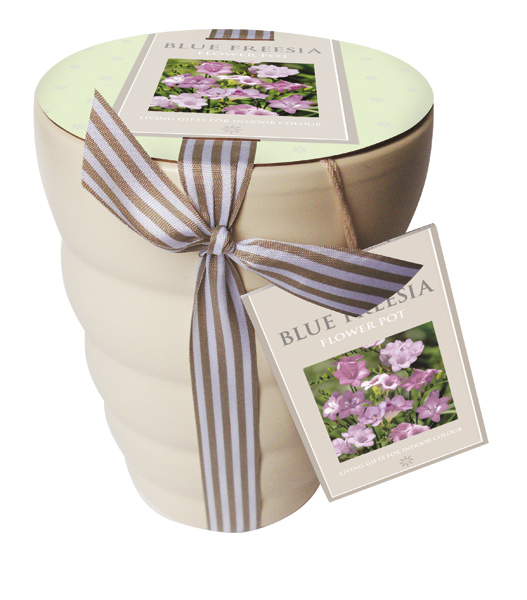
Home gt; Plants gt; Bulbs gt; Freesia bulbs gt; Ceramic pot freesia gift set

Freesia is a genus of herbaceous perennial flowering plants in the family Iridaceae, first described as a genus in 1866 by Chr. Fr. Echlon (1795-1868) and known as after German botanist and doctor Friedrich Freese (1794-1878). It is native to the eastern side of southern Africa, from Kenya south to South Africa, most varieties being within Cape Provinces. Types of the previous genus Anomatheca are actually included in Freesia. The plants commonly known as "freesias", with fragrant funnel-shaped bouquets, are cultivated hybrids of lots of Freesia types. Some other types are also produced as ornamental plant life.
These are herbaceous plants which increase from a conical corm 1-2.5 cm size, which sends up a tuft of thin leaves 10-30 cm long, and a sparsely branched stem 10-40 cm tall bearing a few leaves and a loose one-sided spike of blooms with six tepals. Many varieties have fragrant narrowly funnel-shaped plants, although those previously placed in the genus Anomatheca, such as F. laxa, have level flowers. Freesias are being used as food vegetation by the larvae of some Lepidoptera types including Large Yellow Underwing.
CULTIVATION AND USES
The plants usually called "freesias" derive from crosses made in the 19th century between F. refracta and F. leichtlinii. Numerous cultivars have been bred from these varieties and the pink- and yellow-flowered forms of F. corymbosa. Modern tetraploid cultivars have plants which range from white to yellow, pink, red and blue-mauve. These are mostly cultivated appropriately in the Netherlands by about 80 growers.[3] Freesias can be immediately increased from seed. Because of the specific and attractive scent, they are often used in hand ointments, shampoos, candles, etc.[citation needed], however, the plants are mainly used in wedding bouquets. They can be planted in the fall in USDA Hardiness Zones 9-10 (i.e. where in fact the temperature will not fall below about -7 ?C (20 ?F)), and in the springtime in Areas 4-8.
Freesia laxa (formerly called Lapeirousia laxa or Anomatheca cruenta) is one of the other varieties of the genus which is often cultivated. Smaller than the scented freesia cultivars, they have flat rather than cup-shaped plants. Extensive 'forcing' of this bulb occurs in Half Moon Bay in California where several growers chill the bulbs in proprietary solutions to satisfy frosty dormancy which results in creation of buds inside a predicted variety of weeks - often 5 weeks at 55 ?F (13 ?C).
Herbaceous vegetation (in botanical use frequently simply herbal selections) are vegetation that have no prolonged woody stem above surface. Herbaceous crops may be annuals, biennials or perennials. Annual herbaceous plants die completely at the end of the growing season or when they have flowered and fruited, plus they then grow again from seed. Herbaceous perennial and biennial crops may have stems that pass away at the end of the growing season, but elements of the plant make it through under or near the ground from season to season (for biennials, before next growing season, when they blossom and die). New growth develops from living cells remaining on or under the ground, including roots, a caudex (a thickened part of the stem at ground level) or various types of underground stems, such as bulbs, corms, stolons, rhizomes and tubers. Examples of herbaceous biennials include carrot, parsnip and common ragwort; herbaceous perennials include potato, peony, hosta, mint, most ferns and most grasses. By contrast, non-herbaceous perennial crops are woody plant life that have stems above ground that continue to be alive through the dormant season and grow shoots another year from the above-ground parts - these include trees, shrubs and vines.
FREESIA amp; ORCHID: A bloom of sparkling , fresh freesias and exotic

Malone ™ 39;English Pear amp; Freesia39; Scent Surround ™ Room Diffuser

English Pear amp; Freesia Scent Surround™ Diffuser Jo Malone

Febreze Reed Diffuser Freesia Bloom Semichem

Home / Freesia amp; Pear Room Diffuser By Canova

Freesia is a genus of herbaceous perennial flowering vegetation in the family Iridaceae, first referred to as a genus in 1866 by Chr. Fr. Echlon (1795-1868) and known as after German botanist and doctor Friedrich Freese (1794-1878). It is local to the eastern side of southern Africa, from Kenya south to South Africa, most types being within Cape Provinces. Types of the previous genus Anomatheca are now contained in Freesia. The plant life often called "freesias", with fragrant funnel-shaped bouquets, are cultivated hybrids of lots of Freesia varieties. Some other varieties are also grown as ornamental vegetation.
They may be herbaceous vegetation which grow from a conical corm 1-2.5 cm size, which delivers up a tuft of narrow leaves 10-30 cm long, and a sparsely branched stem 10-40 cm large bearing a few leaves and a loose one-sided spike of blossoms with six tepals. Many types have fragrant narrowly funnel-shaped plants, although those previously positioned in the genus Anomatheca, such as F. laxa, have even flowers. Freesias are being used as food crops by the larvae of some Lepidoptera kinds including Large Yellow Underwing.
CULTIVATION AND USES
The plants usually called "freesias" derive from crosses manufactured in the 19th century between F. refracta and F. leichtlinii. Numerous cultivars have been bred from these kinds and the green- and yellow-flowered varieties of F. corymbosa. Modern tetraploid cultivars have blossoms ranging from white to yellowish, green, red and blue-mauve. They may be mostly cultivated appropriately in holland by about 80 growers.[3] Freesias can be commonly increased from seed. Because of the specific and desirable scent, they are often used in palm creams, shampoos, candles, etc.[citation needed], however, the blooms are mainly utilized in wedding bouquets. They can be planted in the street to redemption in USDA Hardiness Zones 9-10 (i.e. where the temperature will not fall below about -7 ?C (20 ?F)), and in the springtime in Areas 4-8.
Freesia laxa (previously called Lapeirousia laxa or Anomatheca cruenta) is one of the other types of the genus which is often cultivated. Smaller than the scented freesia cultivars, they have flat somewhat than cup-shaped flowers. Extensive 'forcing' of this bulb occurs in two Moon Bay in California where several growers chill the lights in proprietary methods to satisfy wintry dormancy which results in formation of buds inside a predicted range of weeks - often 5 weeks at 55 ?F (13 ?C).
Herbaceous crops (in botanical use frequently simply herbal products) are crops which have no persistent woody stem above floor. Herbaceous plant life may be annuals, biennials or perennials. Annual herbaceous plants expire completely at the end of the growing season or when they have flowered and fruited, plus they then increase again from seed. Herbaceous perennial and biennial plants may have stems that die by the end of the growing season, but parts of the plant endure under or near the ground from season to season (for biennials, before next growing season, when they blossom and die). New growth develops from living tissues left over on or under the ground, including origins, a caudex (a thickened portion of the stem at ground level) or various types of underground stems, such as lights, corms, stolons, rhizomes and tubers. Examples of herbaceous biennials include carrot, parsnip and common ragwort; herbaceous perennials include potato, peony, hosta, mint, most ferns & most grasses. In comparison, non-herbaceous perennial vegetation are woody vegetation that have stems above surface that continue to be alive during the dormant season and grow shoots another time from the above-ground parts - these include trees and shrubs, shrubs and vines.
freesia2pchandcreamandliquidsoapsetd20161019112555347~514132

Breathless 6.7 Oz Tube Ultramoisturizing Hand and Body Cream Freesia

Castelbel Typography Freesia and Pear Hand Creams, Set of 2 World

LOTION SCRUB BUTTER HAND amp; BODY CREAM X 6 Best Hand LotionsBest Hand


